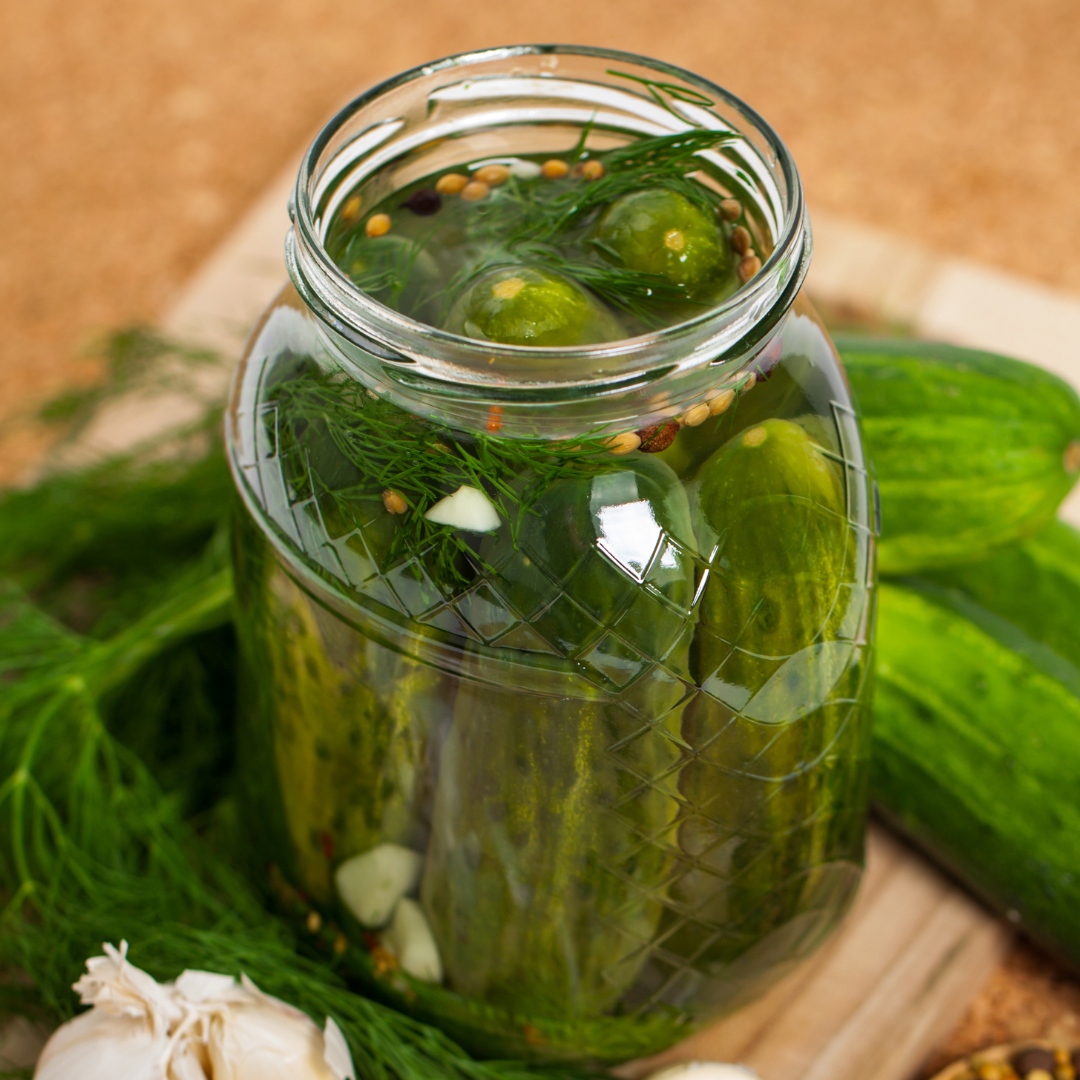

- Use Fresh and Firm Cucumbers: Select cucumbers that are fresh, firm, and free of blemishes or soft spots. Smaller cucumbers, about 3-4 inches long, work best for pickling.
- Soak in Ice Water: Before canning, soak cucumbers in ice water for a few hours. This helps maintain their crispness during the pickling process.
- Add Grape Leaves: Place a clean grape leaf at the bottom of each jar. The tannins in grape leaves can help keep pickles crunchy.
- Experiment with Spices: While dill and garlic are classic, try adding a few unconventional spices like mustard seeds, coriander seeds, or allspice berries for a unique flavor twist.
- Use Kosher or Pickling Salt: Avoid table salt, which contains additives that can cloud the brine and affect the flavor. Kosher or pickling salt is best for canning.
- Adjust the Vinegar Ratio: For a sweeter pickle, increase the sugar and reduce the vinegar slightly, but always maintain a safe acid level to prevent spoilage.
- Check Seals: After processing, ensure that each jar is properly sealed. The lid should not flex up and down when pressed. If it does, refrigerate and consume those pickles first.
- Vary the Vinegar: Experiment with different types of vinegar, such as apple cider vinegar or white wine vinegar, for unique flavor profiles.
- Use Fresh Dill Heads: If possible, use fresh dill heads (flowers) in addition to dill weed. The flowers add extra flavor and visual appeal to your jars.
- Pickle in Small Batches: If you’re new to canning, start with small batches to perfect your technique and avoid waste if something goes wrong.
- Try Different Sweeteners: For sweet pickles, consider using honey or agave syrup instead of sugar for a different flavor profile.
Kitchen Tips: Pickling Edition!